In Search of New Allies: Warsaw Conference Highlights the Crisis of Old Human Rights Mechanisms
At the international Human Dimension Conference, Kazakhstani human rights defenders held a separate side event addressing cooperation with international organizations and financial institutions to advance human rights and civil society in support of sustainable development in Central Asian countries.
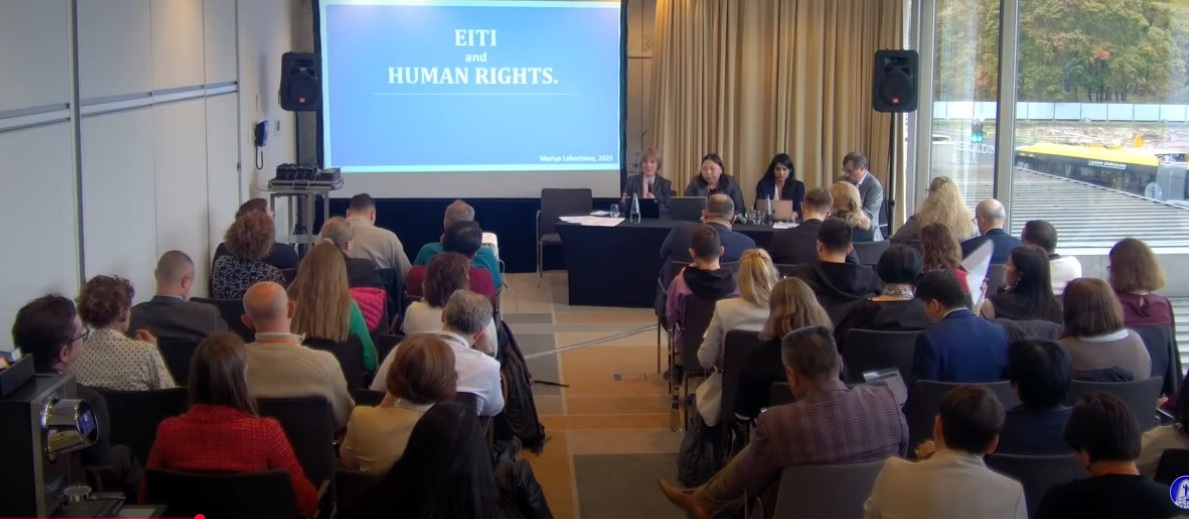
On October 9 in Warsaw, at the annual Human Dimension Conference organized with the support of Finland’s OSCE Chairpersonship and the OSCE Office for Democratic Institutions and Human Rights (ODIHR), a dedicated session titled “Promoting Human Rights and Civil Society through International Organizations for the Development of Transparency and Security” took place. The side event was organized by the Kazakhstan International Bureau for Human Rights and the Central Asian NGO Working Group on Sustainable Development. The session was moderated by Yevgeniy Zhovtis, Chief Expert-Consultant at KIBHR.
Opening the meeting, the Kazakhstani human rights defender recalled an important human rights anniversary celebrated on August 1 this year: exactly fifty years earlier, on that day in 1975, the famous Helsinki Accords were adopted at the Conference on Security and Cooperation in Europe in Helsinki. The accords consisted of three “baskets”: the first on international security, the second on economic cooperation, and the third on human rights and civil liberties.
“Of these three baskets, the most important was the third one, because without the rule of law and respect for human rights by states, it is impossible to ensure global security, economic development, or interstate cooperation,” said Yevgeniy Zhovtis.
Turning to today’s world, he noted that international organizations such as the UN, PACE, and the OSCE are experiencing a serious crisis in terms of their effectiveness and ability to influence the human rights situation in countries where the rule of law is eroding and anti-democratic trends prevail. Kazakhstani human rights defenders note that human rights advocacy by civil society organizations is becoming increasingly ineffective and disappointing.
“At the same time, issues of human rights, the preservation of space for civic activism, and the development of civil society have increasingly begun to appear in the documents of development banks and organizations promoting development, transparency, and security. In this regard, our group of civil society organizations from Central Asian countries, together with our partners from the open society support foundations, created a Working Group on Sustainable Development, whose main task is to advance human rights and civil society,” Zhovtis emphasized.
He also reported that members of the Working Group conducted an analysis of documents from the World Bank, the European Bank for Reconstruction and Development, and the Asian Development Bank regarding the human rights situation in the region and the obligations undertaken by the governments of Kazakhstan and Kyrgyzstan to uphold them.
“We very much hope that this initiative will contribute to the sustainable development of our countries,” the human rights defender concluded.
Denis Dzhivaga, Director of the Human Rights Bureau, stressed the importance of dialogue between human rights defenders from Central Asian countries and international financial institutions. In his view, the political developments of recent years leave little hope for improving the real human rights situation, but such dialogue is both possible and necessary. It is also important to make use of opportunities to advocate for constructive decisions that could help improve the situation.